A Festive Bear Graphic for Crafts and Seasonal Selling
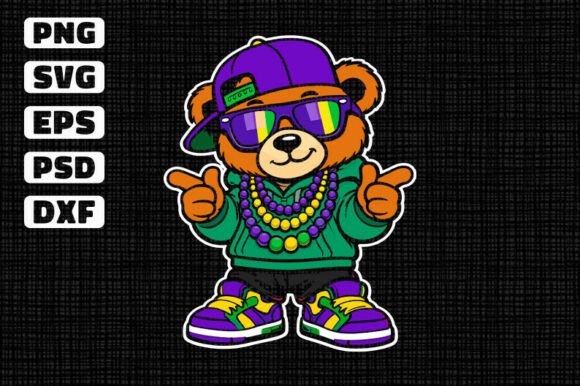
As someone who creates digital products for online shops, I look at new assets with a practical eye. When a design like the Mardi Gras Bear Mascot SVG comes across my desk, my first question is whether it helps build sellable products that customers will actually want. This bear graphic, dressed in festive Carnival attire, immediately strikes a playful and celebratory mood. It feels less like generic clipart and more like a character with personality—a mascot. That visual personality suggests it will attract buyers looking for fun, seasonal, and themed designs, especially for the Mardi Gras or Fat Tuesday niche. The style leans toward cute and decorative, with clear commercial appeal for craft-based businesses.
Testing the Design Across Product Formats
Before I list anything using this asset, I test it across different formats to see its versatility. The core product here is an SVG cut file, so the first real-world test is on a Cricut or Silhouette project. I’ll run a test cut on simple vinyl to check the cut lines and layer separation, crucial for a smooth customer experience. The PNG version, with its transparency, is immediately useful for mockups. I drop it onto a basic t-shirt mockup, a mug template, and a tote bag image to see how it scales and sits on the product. It’s important to check how it looks as a thumbnail on a marketplace like Etsy or Creative Fabrica—does it remain recognizable when small? I also preview it on both a white and a dark background, as customers will use it on various materials.
Where This Mardi Gras Bear Graphic Works Well
This graphic design asset shows strong potential in several key areas for digital sellers. Its bold, festive lines make it excellent for large product previews. On a t-shirt design or a full-wrap tumbler mockup, the bear becomes a clear focal point. It’s a natural fit for themed bundles. You could pair this Mardi Gras Bear SVG with coordinating borders, text phrases, or Carnival-themed patterns to create a cohesive seasonal collection for digital downloads. For printable products like greeting cards, invitation templates, or wall art, the high-resolution PNG ensures quality output.
Its character-driven style also lends itself to visual storytelling in listings. Using it across your product mockups, social media promos, and even blog graphics for your creative business can create brand consistency for a seasonal campaign. This perceived cohesion adds value and builds customer trust. The asset’s niche appeal means it can drive click-through potential from buyers specifically searching for Mardi Gras clipart or Fat Tuesday shirt designs.
Practical Applications for Your Online Shop
Imagine you’re preparing a new Carnival-themed collection for your Etsy shop or print-on-demand store. The Mardi Gras Bear Mascot SVG can serve as a central pillar. Here are concrete ways to use it:
- Sublimation Designs: Test it on a mockup for a colorful polyester shirt or a vibrant apron.
- Vinyl Cutting Projects: Create ready-to-sell SVG files for crafters, or use it yourself to make physical stickers or decals.
- Printable Wall Art & Planner Stickers: The PNG version, scaled appropriately, works for digital paper packs and scrapbooking kits.
- Canva Templates: Import the PNG to create festive social media templates, blog graphics, or promotional visuals for small business owners.
- Product Bundles: Combine it with typography. Try pairing the bear with a bold sans-serif font for a modern shirt, a playful script font for a festive card, or a classic serif for a more decorative invitation. This expands your product offerings quickly.
Points for Careful Use and Seller Checks
While versatile, some applications require caution. The design’s details might get lost if used for very tiny sticker details. In overly complex layouts or crowded thumbnails, its charm could be obscured. For print products, always verify the file resolution before selling—a low-res print will disappoint customers. Also, if the SVG is intended for intricate cutting, inspect the cut quality in software beforehand; overlapping paths or overly thin lines can cause issues for Cricut users.
Practical seller notes are essential. Beyond mockup tests, confirm the commercial licensing terms of the original asset before you sell finished products incorporating it. Organize your derivative files clearly for your customers—label layers in the SVG, provide a clean PNG, and offer usage instructions. Check how the colors, especially the traditional purple, green, and gold of Mardi Gras, translate in test prints or on different mockup materials. Does the graphic maintain good contrast on dark backgrounds? This affects its usability for products like dark-colored mugs or apparel.
Building a Professional Collection with a Niche Asset
An asset like this Carnival Bear Mascot PNG isn’t just a single file; it’s a tool for building a more professional-looking online product collection. By using it consistently across your product presentation—your listing images, your promotional visuals, your packaging design mockups—you create a stronger visual hierarchy and brand identity for that seasonal line. It helps move from offering isolated items to selling a curated experience, which increases perceived value.
For the handmade business or creative entrepreneur, such a themed graphic can be the spark for a whole series. You might create a digital download bundle featuring the bear on a shirt design, a mug design, and a set of planner stickers. Or, develop a Canva template pack where bloggers can easily create their own Fat Tuesday content. The key is to test the Mardi Gras Bear SVG across these concepts before publishing. See how it scales, how it pairs with other elements, and how it looks in the final mockup that will attract the buyer.
Ultimately, from a business-minded perspective, this graphic design asset’s usefulness hinges on its niche appeal and technical versatility. It serves a specific, seasonal audience, which is valuable for targeted selling. Its formats support the major platforms and methods used by crafters and digital product creators today. By approaching it not as a finished product, but as a commercial design foundation to be tested, adapted, and integrated into your shop’s offerings, you can realistically assess its potential to support your sales goals.